Exploring Payday Loans: Benefits, Drawbacks, and Alternatives
Payday loans have emerged as a popular financial resource for individuals looking for immediate money. Such short-term borrowing options can offer instant financial assistance but typically involve elevated interest rates and assertive collection methods. Even though they can look like a reasonable solution for some individuals, the potential risks can lead to deeper financial troubles. Recognizing both the pros and cons is of vital importance. Which alternative approaches could present a more stable financial path? The answers may surprise you.
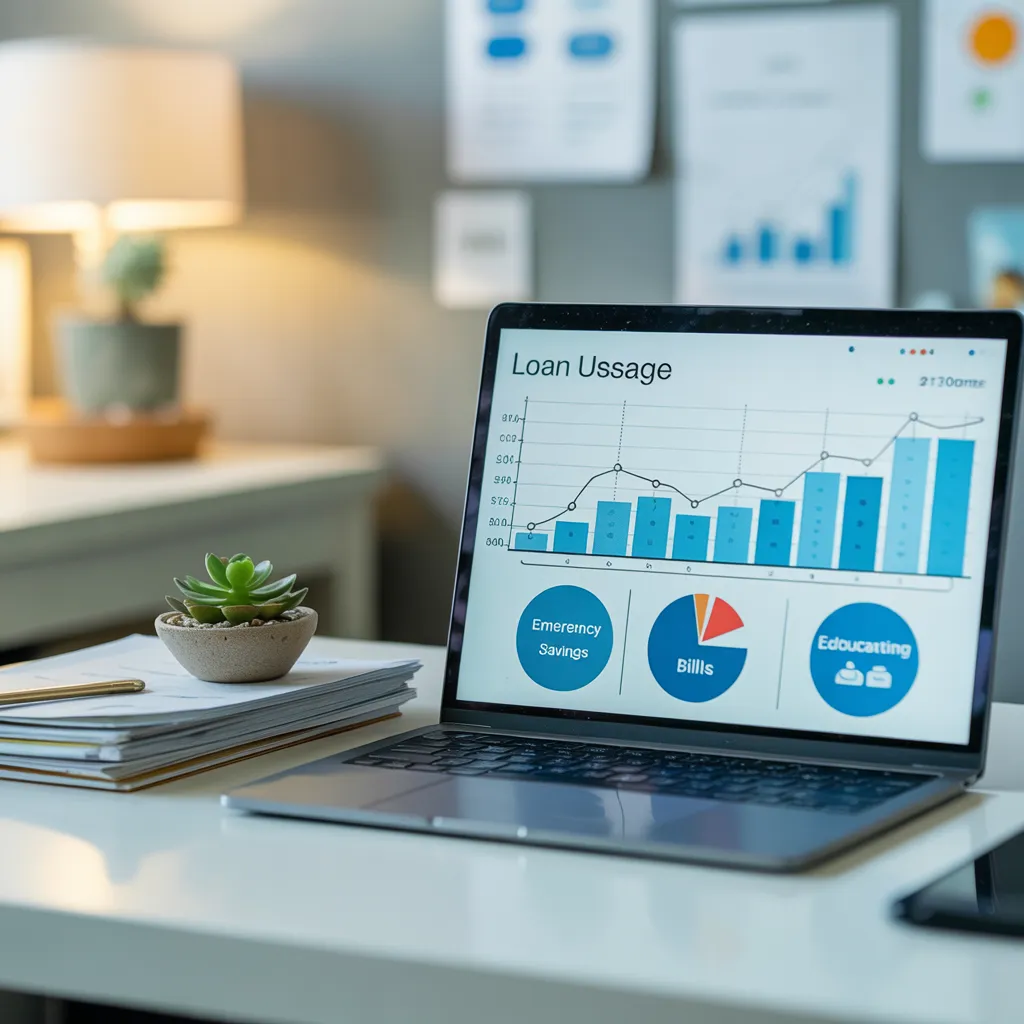
What Are Payday Loans and How Do They Work?
Payday advances are brief, high-interest financial instruments designed to provide quick cash to applicants encountering unexpected expenses. In most cases, these loans span from $100 to $1,000 and are designed to handle financial obligations until the recipient obtains their following paycheck. The request process is typically uncomplicated, often requiring Payday Loans Nevada minimal documentation, which attracts individuals facing serious monetary challenges.
Borrowers usually provide a postdated check or authorize an electronic debit for the loan amount plus fees, which can be considerable. The payback period usually covers two to four weeks, corresponding to the borrower's upcoming payday. Not repaying the loan by the due date can lead to additional fees and potential cycles of debt, as individuals may be compelled to secure additional loans to settle previous debts. Understanding the mechanics of payday loans is vital for those evaluating this alternative as a quick financial solution.
The Risks of Payday Loans You Need to Know?
Although payday loans might appear to be a convenient solution for financial crises, they come with serious drawbacks that can compound a borrower's existing difficulties. High interest rates are a primary concern, often exceeding 400% annually, causing burdensome repayment figures. Many borrowers find themselves trapped in a cycle of debt, taking out new loans to repay old ones, resulting in escalating financial strain. Additionally, the brief repayment window—typically two weeks—can pressure individuals into making hasty decisions without thoroughly comprehending the conditions. Missed payments can attract extra charges, adding more complexity to financial situations. Beyond that, payday loans can negatively impact credit scores if installments are not met, narrowing available credit choices. Individuals should remain conscious of aggressive collection practices that may arise when loans are not repaid on time. Such dangers underscore the need to explore other options before choosing a payday loan.
The Pros of Payday Loans
Payday loans present a range of benefits that render them appealing to borrowers in need of quick funds. With rapid access to cash and minimal qualification requirements, they can be a viable option for those dealing with urgent financial needs. Furthermore, adaptable repayment options can enable borrowers to manage their financial obligations more effectively.
Fast Access to Money
Securing immediate money proves highly beneficial for individuals facing unforeseen bills or financial hardships. Short-term loans provide a speedy option, often providing funds within a single business day. This urgency can prove critical for borrowers seeking to handle overdue payments, medical bills, or auto repairs. In contrast to conventional loans, which often require extended review periods, payday loans typically require minimal documentation and can be applied for online. Such rapid availability enables applicants to resolve their monetary concerns quickly, reducing the stress associated with overdue payments. Moreover, the convenience of obtaining cash at any time can make payday loans an appealing option for individuals facing monetary difficulties, empowering them to reclaim command of their monetary circumstances with greater speed.
Minimal Qualification Requirements
Numerous people discover the reduced application prerequisites of short-term loans attractive, as these loans commonly necessitate fewer documents and reduced eligibility conditions than traditional financing options. Individuals typically need to present proof of income and identification, rendering the application process simple and direct. Such ease of access is especially advantageous for borrowers with minimal credit backgrounds or unfavorable credit standings who often face challenges qualifying for standard loans. Moreover, payday lenders frequently do not conduct extensive credit checks, enabling faster access to needed capital. This streamlined approach can serve as a vital resource for people confronting immediate financial challenges, allowing them to obtain funds without the prolonged waiting periods associated with traditional lending institutions. Therefore, minimal qualification requirements cater to a wide range of borrowers.
Flexible Repayment Options
Adaptable repayment plans are a key benefit of payday loans, enabling borrowers to customize their repayment schedules according to their personal financial needs. Several lenders present flexible conditions, permitting borrowers to pick a repayment timeline that aligns with their pay dates. This versatility can reduce the pressure of swift repayment, providing borrowers with the opportunity to manage their finances more effectively. Furthermore, certain lenders may permit modifications or adjustments to the repayment period, addressing unforeseen shifts in a borrower's financial situation. This flexibility can prove vital for people dealing with short-term financial difficulties, as it creates a repayment experience that is more feasible and less stressful, thereby encouraging a more balanced perspective on lending and fiscal accountability.
Who Should Think About Taking a Payday Loan?
People experiencing urgent financial hardships may find payday advances to be a viable option for quick financial assistance. People with restricted availability to traditional credit sources commonly rely on these borrowing options to cover urgent expenses. Recognizing the conditions that justify such a course of action is critical for prudent financial management.
Financial Crises and Urgent Situations
Financial crises can occur without warning, leaving some in urgent need of quick cash solutions. Individuals facing sudden medical expenses, car repairs, or unexpected bills could find payday loans to be a reasonable choice. These financial products deliver quick access to capital, typically without extensive credit checks, making them attractive to individuals with restricted financial means. However, it is important to recognize that payday loans often come with high interest rates and short repayment terms. Consequently, they might not be appropriate for all borrowers. People with a consistent income and a clear plan for repayment may find these loans manageable, while others might exacerbate their financial burdens. Weighing the pros and cons is vital before moving forward with a payday loan.
Limited Access to Credit
Numerous individuals facing restricted credit options may consider payday loans as a possible option for their immediate financial needs. People with damaged credit records, those without conventional banking connections, or people who fail to meet traditional loan requirements frequently end up in situations where payday loans look like a reasonable choice. Such loans offer fast availability of money without rigorous credit assessments, making them a viable option for people experiencing acute monetary difficulties. However, consumers should proceed carefully, as steep interest rates and limited repayment timeframes can create a pattern of ongoing debt. Consequently, borrowers should carefully evaluate the benefits and drawbacks and consider additional alternatives, such as credit unions or community assistance programs, before committing to a payday loan.
Discovering Alternatives to Payday Loans
What alternatives can help borrowers escape the cycle of payday lending? A number of options are available that can offer the required financial support without the steep fees linked to payday loans. Credit unions often offer small, low-interest loans designed for members facing financial emergencies. Additionally, personal loans from traditional banks or online lenders can provide more favorable terms, allowing borrowers to repay the debt over a longer period.
Another option is working out payment arrangements with lenders, which can alleviate immediate financial pressure without accumulating further financial obligations. Furthermore, community organizations and non-profits may provide urgent aid initiatives to help those in need. For individuals with access to family or friends, seeking a personal loan from them may be an effective method to bypass expensive borrowing options. Exploring these alternatives can help people take control of their financial paths, paving the way toward improved financial well-being and decreased dependence on exploitative loan products.
Making Informed Financial Decisions About Payday Loans
Maneuvering the complexities of payday loans requires careful consideration and awareness. People in need of financial assistance must examine their present financial standing and establish if a payday loan is genuinely necessary. Recognizing the elevated interest rates and risk of debt spirals is vital before taking action.
Investigating multiple lending institutions can further provide perspective into loan terms, allowing applicants reach well-considered choices. Comparing alternative solutions, such as credit counseling or personal loans, can yield more favorable outcomes.
Furthermore, loan seekers should carefully consider their repayment capacity to protect themselves from financial hardship. Creating a structured budget and seeking out supplementary income streams can mitigate the need for quick loans.
At the end of the day, making educated financial decisions about payday loans involves prioritizing lasting financial health over temporary fixes. Careful borrowing, combined with a thorough understanding of the related risks, can enable individuals to manage their financial difficulties more successfully.
Frequently Asked Questions
What Are the Standard Repayment Terms for Payday Loans?
Typical repayment terms for payday loans range from two weeks to a month. Borrowers usually owe the full loan amount plus fees by their next payday, creating financial pressure for many who struggle to repay on time.
How Do Payday Loan Charges Measure Up to Other Lending Options?
The fees associated with payday loans are frequently much higher than what traditional bank loans and credit cards charge. Such a gap renders payday loans a high-cost borrowing alternative, creating potential financial pressure for those seeking immediate cash.
Am I Able to Refinance a Payday Loan?
Refinancing a payday loan is indeed possible, usually by securing a new loan that covers the outstanding balance. That said, borrowers ought to take into account the likelihood of elevated fees and interest charges, which might intensify existing financial hardships.
Are Payday Loans Legal in All States?
Payday lending is not permitted across all states. Laws vary greatly, with certain states banning them outright, while some states apply rigorous restrictions on interest rates and lending procedures, safeguarding consumers throughout the process.
What Occurs if I Fail to Repay a Payday Loan on Time?
Should a borrower fail to repay a payday loan by the due date, they might be subject to added fees, experience growing debt, or experience collection actions. Such circumstances may have an adverse effect on their credit score and overall financial health.